
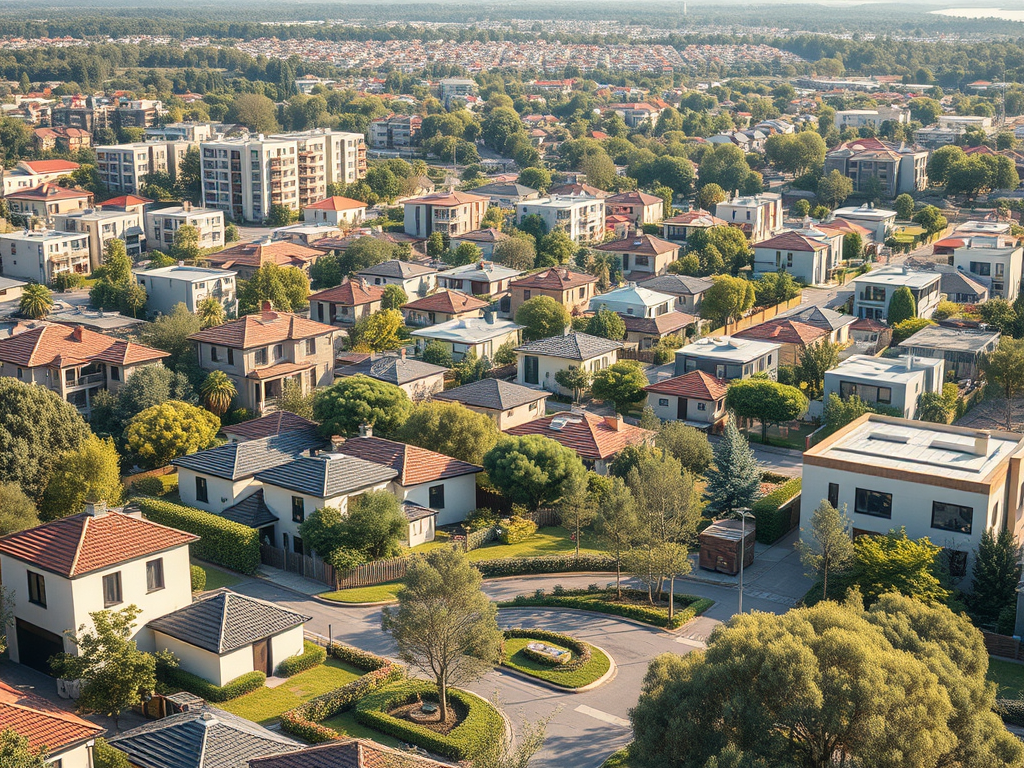
Australia’s housing landscape is undergoing significant changes in 2025, with zoning reforms aiming to tackle the ongoing housing crisis. These reforms are designed to increase housing supply, promote diverse housing options, and guarantee sustainable urban development.
🏘️ What Are the 2025 Zoning Reforms?
Zoning laws decide how land can be used—whether for residential, commercial, or other purposes. The 2025 reforms focus on:
- Increasing Housing Density: Allowing the construction of low to mid-rise buildings in areas formerly restricted to single-family homes.(planning.nsw.gov.au)
- Promoting Diverse Housing Options: Encouraging the development of townhouses, duplexes, and apartments to cater to various household needs.
- Streamlining Approval Processes: Reducing bureaucratic hurdles to accelerate the development of new housing projects.
📍 Where Are These Reforms Being Implemented?
New South Wales (NSW):
- Low and Mid-Rise Housing Policy: This policy allows the construction of multi-storey dwellings. It has taken effect from February 28, 2025. These dwellings can be built within 800 meters of town centers and transport hubs. The goal is to unlock 112,000 new homes over five years. (dailytelegraph.com.au, planning.nsw.gov.au)
- Glebe Island Redevelopment: The Rosehill racecourse housing project was rejected. Now, Glebe Island is under consideration for residential development. The aim is to balance industrial use with housing needs. (theguardian.com)
Australian Capital Territory (ACT):
- Missing Middle Reforms: These reforms aim to facilitate the construction of 30,000 new homes by 2030. They focus on integrating low-rise, diverse housing types into existing suburbs. (architectureau.com)
Queensland:
- Logan City Rezoning: In response to the 2022 floods, Logan City Council is taking action. They are rezoning 32 flood-prone residential blocks. This aims to prevent future residential development in high-risk areas. (couriermail.com.au)
🏡 Real-Life Impact: A Case Study
Wilberforce Avenue, Rose Bay, NSW:
Sixteen homeowners on this street experienced a significant increase in property value overnight due to the new zoning laws. The reforms allowed for the development of apartment buildings up to six storeys high. This change made the area highly attractive to developers. (dailytelegraph.com.au)
💡 What This Means for Homeowners
- Increased Property Value: Homes in newly rezoned areas will see a rise in value due to development potential.
- Development Opportunities: Homeowners consider subdividing or redeveloping their properties to capitalize on new zoning allowances.
- Community Changes: Expect changes in neighborhood dynamics, including increased population density and infrastructure development.
📝 Final Thoughts
The 2025 zoning reforms offer both opportunities and challenges for Australian homeowners. Staying informed and consulting with local planning authorities can help navigate these changes effectively.(hudsonfinancialplanning.com.au)
❓ We’d love to know…
Do you live in an area affected by zoning reforms? Would you consider selling or developing if your street was rezoned?
Drop your thoughts in the comments. Share your experience with us. Every local story adds to the bigger picture. 🏡
Leave a Reply